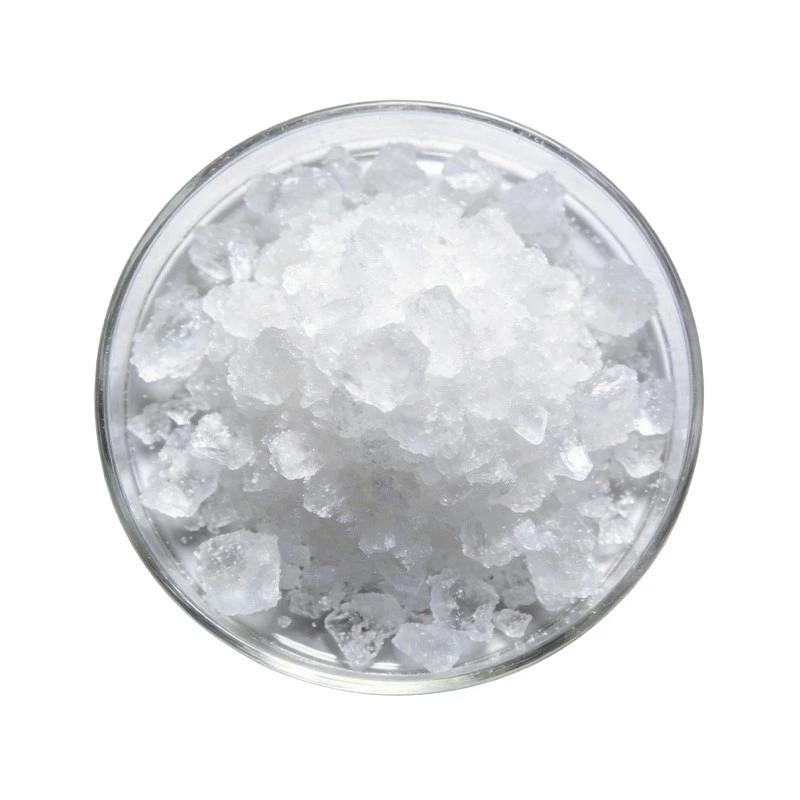
Heterocyclic compounds are widely used in pharmaceutical, agrochemical, materials, and specialty chemical industries because of their diverse molecular structures and chemical properties. Since individual heterocyclic compounds can differ significantly in reactivity, stability, and physical characteristics, appropriate management is essential throughout procurement, handling, storage, and transportation.
When purchasing a heterocyclic compound, manufacturers should first verify the product identity, grade, purity, and intended application. Different heterocyclic structures can exhibit substantially different chemical behavior, so suitability should not be determined solely by the product name. Product specifications, analytical data, technical documentation, and the requirements of the intended manufacturing process should all be reviewed before material qualification.
During use, particular attention should be given to chemical stability and reactivity. Some heterocyclic compounds may react with incompatible substances or undergo changes under unsuitable process conditions. Manufacturing and laboratory operations should therefore follow validated procedures, and reaction conditions should not be modified without appropriate technical evaluation.
Storage conditions are another important aspect of product management. Individual compounds may have different sensitivities to temperature, humidity, light, oxygen, or other environmental factors. Materials should be stored according to the applicable safety documentation and supplier recommendations. Containers should remain properly closed, intact, and clearly labeled to help prevent contamination, degradation, or confusion between products.
Transportation also requires appropriate packaging and handling procedures. Materials with specific transport requirements should be shipped using suitable packaging and handled in a manner that minimizes the risk of impact, moisture exposure, or other adverse conditions. Personnel involved in logistics and warehousing should be familiar with the relevant properties and handling requirements of the materials they manage.
Personal protection should also be considered during laboratory and manufacturing operations. Appropriate protective equipment and adequate workplace ventilation should be provided based on the characteristics of the specific compound. Where a material has identified hazards, applicable safety procedures and regulatory requirements should be followed carefully.
Quality control and batch management are equally important. Routine testing of incoming materials, process samples, and finished products can help identify changes in purity or other quality parameters and reduce the risk of downstream production problems.
As the specialty chemicals industry becomes increasingly standardized and specialized, the management of heterocyclic compounds is placing greater emphasis on safety, quality, and process control. A well-established system covering procurement, storage, handling, testing, and documentation can help improve manufacturing consistency and operational reliability.
Changzhou Jintan Guangda Technology Co., Ltd. continues to follow developments in heterocyclic and specialty chemical manufacturing. Through product development, process optimization, and quality management, the company aims to provide specialized chemical products and support for related industries while maintaining a strong focus on proper handling and quality management throughout the product lifecycle.