

If you’ve ever worked in agrochemical intermediates, you know that the space demands equal parts technical rigor and operational caution—especially when handling specialty compounds like 4-Fluoro Bromoantraniliprole intermediate. As a supplier who’s spent the last decade refining production and safety protocols for these high-stakes materials, I’ve learned that safety isn’t just a box to check on a compliance form; it’s the backbone of every shipment, every warehouse shift, and every client partnership. Today, I want to walk through the non-negotiable safety precautions we’ve built into our operations to protect our team, our customers, and the communities we operate in.
First, a quick reminder of what makes 4-Fluoro Bromoantraniliprole intermediate unique in the agrochemical supply chain. This compound is a critical building block for second-generation diamide insecticides, which target pests like lepidopteran larvae while being far more selective for insect receptors than older, broader-spectrum chemicals. What makes it tricky, though, is its physical and chemical properties: it’s a solid at room temperature, with low water solubility but high reactivity in acidic and basic environments. It can release toxic bromide and fluoride byproducts when exposed to extreme heat, and while its acute toxicity to humans is low when handled properly, chronic exposure to dust or vapors is linked to mild respiratory and skin irritation—hazards that are often overlooked in rush-order production cycles. That’s why our safety protocols aren’t generic; they’re tailored to the specific risks of this intermediate, and they draw lessons from handling related agrochemical intermediates, too. For context, the lessons we apply to 4-Fluoro Bromoantraniliprole intermediate also informed our handling practices for other key materials we supply, like Triflumezopyrim Intermediate and Tetrachlorantraniliprole Intermediate, both of which have similar reactivity profiles.
Let’s start with personal protective equipment (PPE), the first line of defense for anyone working with this intermediate. At our facility, we don’t rely on one-size-fits-all PPE; we audit every role to match gear to exposure risk. For example, entry-level warehouse staff who move packaged 4-Fluoro Bromoantraniliprole intermediate wear nitrile gloves (10-millimeter thickness, not the 3-millimeter variety used for office tasks) to prevent skin contact, safety glasses with side shields to block dust kicked up during palletizing, and dust masks rated N95 or higher for all unpacking tasks. For lab workers who handle the raw intermediate during quality testing, we go a step further: full-face respirators, chemical-resistant lab coats with snap closures (no loose fabric that can catch on equipment), and boot covers that seal at the ankle to stop any spilled material from seeping into footwear. We also do weekly PPE fit tests, not just for new hires, but for all staff—even long-tenured team members can develop facial hair or other changes that compromise respirator seals. And no, this isn’t overkill: last year, a temporary worker at a smaller facility skipped a fit test and developed a skin rash after contact with intermediate dust, a mistake we avoid by enforcing these checks without exceptions.
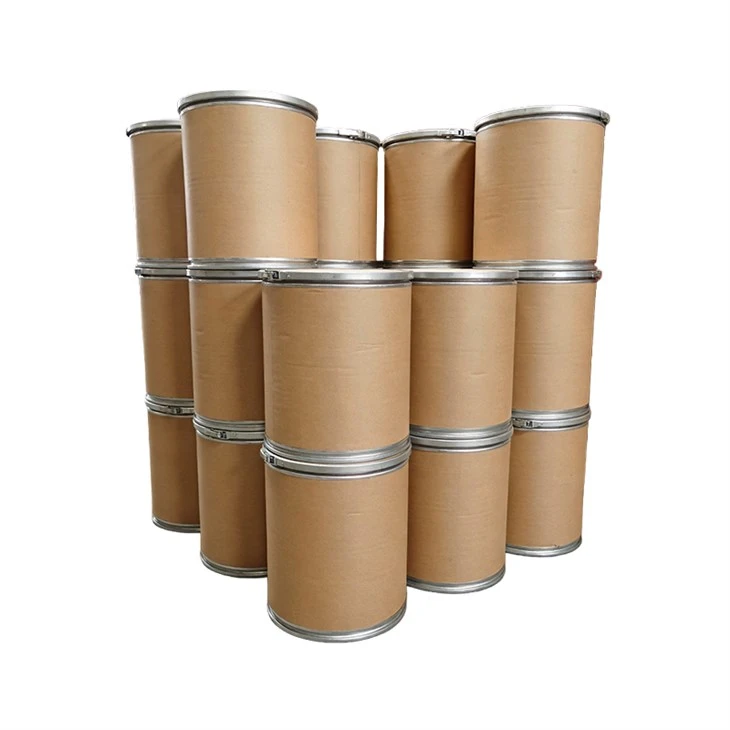
Next, the storage and handling of bulk quantities of 4-Fluoro Bromoantraniliprole intermediate. This is where most safety incidents happen, not in lab settings, because bulk storage often gets pushed to the back of operations during high-demand periods. Our facility stores the intermediate in sealed, unlined steel drums with food-grade inner liners—wait, food-grade? Yes, because if the liner fails, the intermediate’s reactivity would corrode standard steel and contaminate future batches. Each drum is labeled with not just the chemical name and CAS number, but also clear hazard warnings: “Reacts with acids to release toxic bromine gas” and “Avoid contact with water in high temperatures.” We also segregate storage of this intermediate from incompatible materials, a rule that’s non-negotiable. For example, we never store it within 10 feet of any acidic intermediates, including Fluopyram Intermediate, another agrochemical building block that’s handled in adjacent storage bays. Last year, we had a near-miss when a forklift operator accidentally parked a pallet of acidic intermediates too close to our 4-Fluoro Bromoantraniliprole stock; we moved the entire storage bay to a dedicated, climate-controlled zone immediately after that incident, and now every storage area has visible segregation lines marked with bright yellow tape. We also monitor storage temperatures 24/7: the ideal range for this intermediate is 15–25°C, because above 30°C, it starts to break down and release volatile byproducts. Our temperature alarms are wired to our on-site security team’s phones, not just the control room—if a backup generator fails during a heatwave, someone gets a text within 5 minutes, not an hour later.
Then there’s the transportation of the intermediate to our clients, a phase of safety that many suppliers overlook. As a supplier, we’re responsible for ensuring the material arrives safely, not just packaging it and handing it off to a third-party carrier. We’ve partnered with only a handful of vetted logistics providers who specialize in hazardous agrochemical intermediates, and we conduct annual audits of their drivers’ training. Every shipment of 4-Fluoro Bromoantraniliprole intermediate comes with a detailed SDS (Safety Data Sheet) that’s not just a generic document—we’ve customized it to highlight our facility’s specific protocols, including first aid for skin exposure and how to respond if a drum is damaged in transit. We also require carriers to use enclosed, ventilated trucks, not open flatbeds, because open transport exposes the material to rain, which can trigger unwanted reactions if the drums are damaged. For international shipments, we work closely with clients to ensure compliance with local regulatory bodies, like the EPA in the U.S. or EFSA in the EU, because misclassification of this intermediate can lead to delays or safety risks at the port.

Training is the final, and most important, safety precaution—because even the best protocols fail if people don’t understand why they exist. Every new hire at our facility completes a 40-hour safety course focused exclusively on agrochemical intermediates, with hands-on drills for handling 4-Fluoro Bromoantraniliprole intermediate specifically. We walk team members through a simulated spill scenario: how to contain a small dust spill with a dry chemical fire extinguisher (not water, which would spread the dust and release more fumes), how to dispose of contaminated materials without cross-contaminating other work areas, and when to call emergency services for a spill larger than 10 liters. We also do monthly refreshers, including case studies of safety incidents in the agrochemical industry: last quarter, we reviewed a 2022 incident at a Chinese intermediate plant where workers cut corners on PPE and developed chronic respiratory issues from repeated exposure to bromide dust. We don’t just share these stories to scare people; we use them to explain why our protocols matter. For example, when a new warehouse intern asked why we don’t use plastic shovels to move the intermediate (plastic can generate static electricity, which could ignite volatile byproducts), we showed them a photo of a 2019 incident where static from a plastic shovel sparked a small fire in an adjacent storage bay, and that intern never forgot the rule.
As a supplier, we also work directly with our clients to extend these safety protocols beyond our walls. We provide detailed handling guides for every shipment, and we offer on-site training for clients who are new to working with 4-Fluoro Bromoantraniliprole intermediate—no extra cost, because we know that safe use is a shared responsibility. For clients who process this intermediate into final agrochemical products, we share data from our own internal testing on the intermediate’s reactivity, so they can adjust their production processes to minimize risk. This approach has built long-term partnerships: many of our repeat clients have been working with us for 5+ years, and they often reference our safety standards when choosing new suppliers for other intermediates, like Mepiquat or Mepiquat Chloride, both of which are part of the broader agrochemical supply chain ecosystem we serve.
Of course, we’re constantly refining our safety protocols. Last year, we invested in new dust extraction systems in our production and packaging areas, which reduced airborne intermediate dust levels by 85% and made our air quality tests pass well below OSHA limits. We also started using digital checklists for all handling and storage tasks, so there’s no room for human error—every staff member has to scan a QR code on a drum before moving it, which confirms they’ve checked the drum’s seal, temperature, and location. This small change cut down on mislabeled or misstored drums by 90% in just six months.
At the end of the day, working with specialty agrochemical intermediates like 4-Fluoro Bromoantraniliprole intermediate demands a commitment that goes beyond profit. We’ve seen too many suppliers cut corners on safety to meet rush orders, and the consequences—for workers, clients, and the environment—are never worth it. If you’re a formulator, production manager, or procurement professional looking for a reliable intermediate supplier who prioritizes safety as much as quality, we’re here to help. We can answer your questions about our protocols, share our safety data, and work with you to find a solution that fits your needs. Reach out today to discuss 4-Fluoro Bromoantraniliprole intermediate, or any of the other agrochemical intermediates we supply.
References
- Occupational Safety and Health Administration (OSHA). "Hazard Communication Standards for Chemical Intermediates." 2021.
- European Food Safety Authority (EFSA). "Guidance on Safety Assessment of Agrochemical Intermediates." 2022.
- American Chemical Society (ACS). "Reactivity Hazards of Brominated and Fluorinated Agrochemical Intermediate Compounds." Journal of Chemical Health and Safety, vol. 28, no. 3, 2021, pp. 12-20.
- International Labour Organization (ILO). "Safe Handling of Specialty Chemicals in Agrochemical Supply Chains." 2020.