


Hey there, if you’ve ever worked with pharmaceutical intermediates, chemical synthesis, or even lab-scale purification, you’ve definitely stumbled upon that one compound that goes by a dozen names—nothing’s more confusing than searching for a material in your inventory and pulling up three different entries because people used a synonym. That’s exactly why I’m breaking down all the common names for triethylamine hydrochloride, and yeah, I’m coming at this from a spot of 8 years as a supplier of these exact types of chemicals, so I’ve seen every mix-up possible (you’d be shocked how many folks email asking for “triethylamine HCl” and “TEA-HCl” like they’re two separate things, lmao).
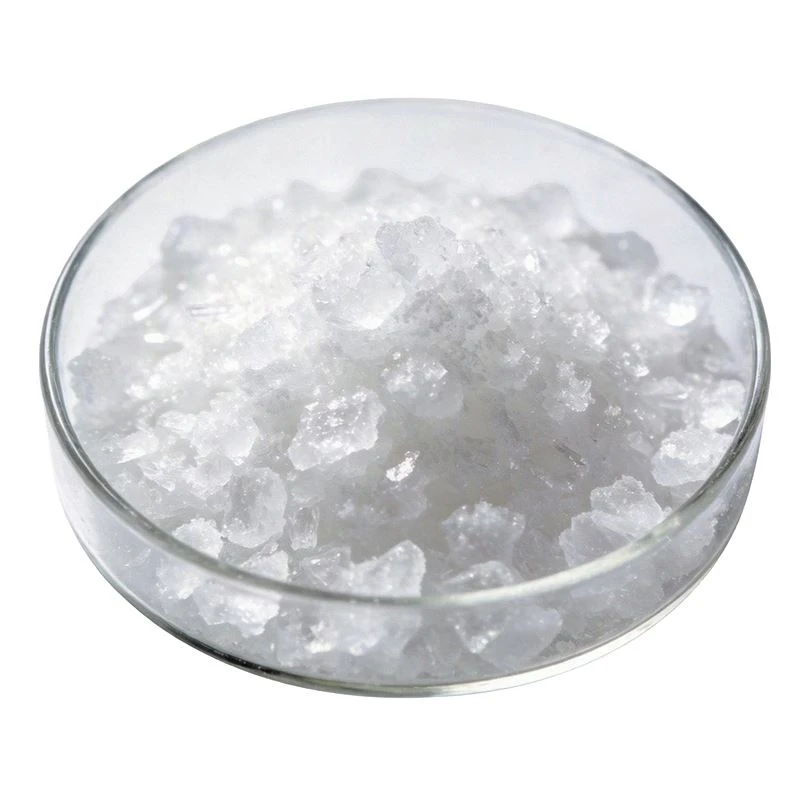
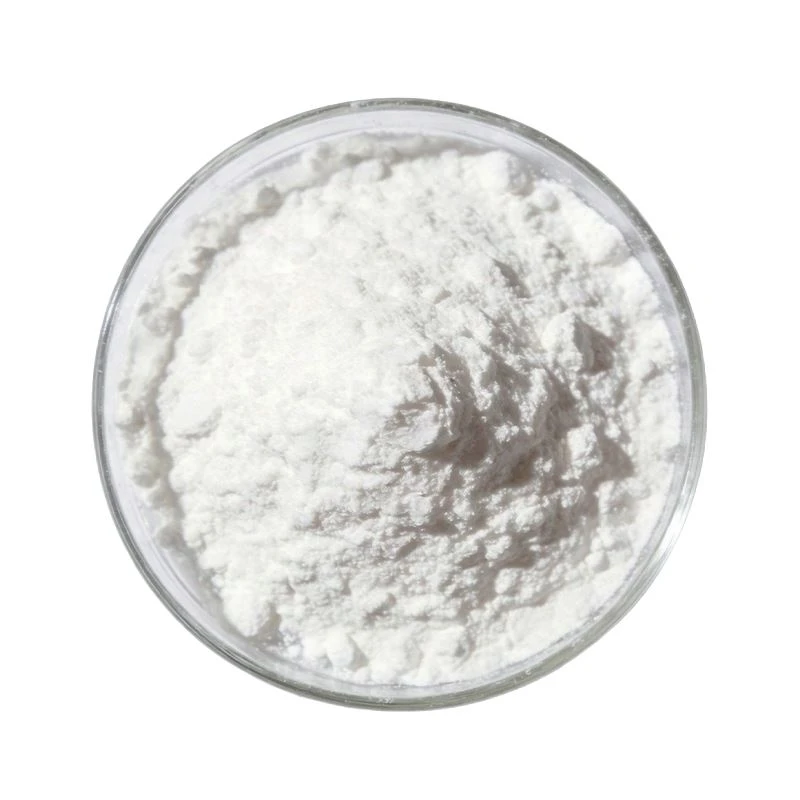
First, let’s start with the basics for anyone new here. Triethylamine hydrochloride is the salt formed when triethylamine (that tertiary amine we all know as a base to mop up stray acids in reactions) reacts with hydrochloric acid, right? It’s a white, crystalline solid, super soluble in water and polar solvents, which makes it a total workhorse for acid scavenging, pH adjustment, and as a catalyst or reagent in all sorts of synthesis—from API development to making things like 4‑Fluorophenylacetic Acid, which is a common pharmaceutical intermediate for anti-inflammatory drugs, or Terephthalaldehyde, which is used in polymer and specialty chemical production. It’s also popping up in custom synthesis steps that call for a mild, organic-soluble base that’s stable as a salt, not just the gaseous triethylamine.
But back to the name chaos. The most obvious common name is straight-up “triethylamine hydrochloride” (that’s the name you’ll find on our website, by the way—check out the full spec and bulk pricing here: Triethylamine Hydrochloride). But that’s way too formal for most people in the lab or supply chain. The first big nickname is “TEA HCl” (or sometimes written as TEA-HCl, no space). Everyone shortens it to TEA because triethylamine itself is TEA, so adding the HCl suffix makes sense. I swear, half the emails I get start with “Hey, do you have TEA HCl in stock?” before I even mention we supply other TEA derivatives like triethylamine trihydrofluoride—you’d think folks would proofread, but no, it’s the shorthand language of the chemical space.
Next up: “triethylammonium chloride”. Wait, why? Because when that salt dissolves in water, it dissociates into triethylammonium cations and chloride anions. So a lot of chemists, especially analytical chemists or those doing solution-phase reactions, refer to it by the ionic name instead of the salt name. I remember a few years back, a customer doing HPLC method development called us asking for “triethylammonium chloride” to make their mobile phase, and when we sent over triethylamine hydrochloride, they replied like we’d messed up—until we explained they’re identical, just named for the dissociated ions. That mistake was a funny one; we still have a saved screenshot of their first confused email.
Then there’s the slightly more niche, but still super common, name: “ethylamine, N,N-diethyl-, hydrochloride”. That’s the IUPAC-derived name you’ll see on some batch certificates or regulatory documents, right? Regulatory bodies like the FDA or ICH sometimes require the full systematic name for documentation, so suppliers get requests for that exact phrasing. Most production chemists don’t use that daily, but it’s a must-know for anyone dealing with GMP materials or international supply chains.
Wait, I almost forgot another big one: “triethylamine chlorohydrate”. Yeah, that’s another synonym some vendors and small-scale labs use, though it’s a little less standardized than the others. I think it popped up because of that old habit of calling certain salt hydrates “chlorohydrates”, but technically triethylamine hydrochloride doesn’t have a water of hydration in most bulk grades, so it’s a bit of a misnomer. But if you’re searching and see “triethylamine chlorohydrate”, that’s the same stuff we sell.
Now, why does all this matter, especially if you’re sourcing from a supplier? Because a wrong name in your order can lead to days of delays, wrong materials, or even messed-up reactions. I’ve heard horror stories of a lab ordering triethylamine hydrochloride and getting triethylamine (the liquid base) because the buyer wrote “TEA” and didn’t specify the HCl part—total disaster when you need a stable salt for a low-temperature reaction, not a volatile liquid. We actually put a little note in every order confirmation now reminding folks to specify the full name or CAS number (which is 554-68-7, fyi) to avoid mix-ups, but half the time they still reply with “yeah, it’s TEA HCl, thanks”.
Let’s also talk about where triethylamine hydrochloride lands in the broader intermediate space, because that’s why so many people are searching for it. It’s used as a proton scavenger (aka acid binder) in peptide synthesis, right? It mops up the HCl that gets released when you couple amino acids, so that reaction can proceed smoothly. It’s also used as a phase-transfer catalyst in some nucleophilic substitution reactions, and a buffer in certain analytical methods. And it’s a building block or reagent for making other intermediates we supply, like 2‑Aminoethyl Hydrogen Sulfate, which is used in surfactant manufacturing, or 2‑Iodobenzoic Acid, which is a common starting material for making antifungal and anti-cancer drugs.
Another thing I’ve noticed in my years on this: there’s a difference between lab-grade and bulk-grade names, too. Most small-scale lab customers call it “triethylamine HCl” or “TEA HCl”, while large-scale pharma or chemical manufacturers will ask for “triethylamine hydrochloride (technical grade)” or “triethylammonium chloride (USP grade)” because they need to specify purity levels. The CAS number is non-negotiable for those bulk orders, by the way—never rely just on the name, because synonyms can vary in purity depending on the manufacturer.
Wait, is there any other common name I’m missing? Let’s think… Oh! Sometimes you’ll see it written as “triethylamine hydrochloride salt” on some material safety data sheets (MSDS) or supplier catalogs. That’s just adding “salt” for clarity, which makes sense when you’re differentiating it from the pure triethylamine base. I’ve seen that on a lot of older MSDS documents, so if you’re digging up old spec sheets, keep an eye out for that one.
So to wrap up the name list, here’s a quick cheat sheet to keep in your notebook if you work with these materials:
- Triethylamine hydrochloride (the official, most used name)
- TEA HCl / TEA-HCl (the universal shorthand)
- Triethylammonium chloride (the name for the dissociated salt)
- Ethylamine, N,N-diethyl-, hydrochloride (the systematic/regulatory name)
- Triethylamine chlorohydrate (the slightly outdated, less common synonym)
- Triethylamine hydrochloride salt (the name with extra clarity on it being a salt)
Now, if you’re reading this and going “man, I need a reliable supplier for triethylamine hydrochloride, or any of the other intermediates I just mentioned”, let me tell you—we’ve been supplying high-purity triethylamine hydrochloride for over a decade, with consistent quality, bulk pricing, and fast turnaround for both lab-scale and production orders. No games, no hidden fees, just the material you need with clear documentation to match whatever name you use to order it. If you’ve ever had a bad experience with a supplier that sent the wrong chemical because of a name mix-up, you know how frustrating that is—we go out of our way to confirm names and CAS numbers before processing any order to make sure that never happens to you.
If you’re looking to stock up, have questions about purity levels, or need help confirming that triethylamine hydrochloride is the right material for your specific synthesis, hit us up to connect and talk details. Whether you’re a small lab needing 1kg for a research project or a large manufacturer needing bulk quantities for API production, we’ve got you covered. And if you need other intermediates like 4‑Fluorophenylacetic Acid, Terephthalaldehyde, 2‑Aminoethyl Hydrogen Sulfate, or 2‑Iodobenzoic Acid, we supply those too—just reach out to get a quote or ask for more specs.
References
- Sigma-Aldrich. (n.d.). Triethylamine hydrochloride. Retrieved from Sigma-Aldrich product database.
- IUPAC. (2005). Nomenclature of Organic Chemistry: IUPAC Recommendations and Preferred Names 2005. Royal Society of Chemistry.
- Merck Index. (17th ed.). Triethylamine hydrochloride entry.
- FDA. (2022). Guidance for Industry: Chemistry, Manufacturing, and Controls Documentation. U.S. Food and Drug Administration.