


If you’ve ever followed cotton farming practices, you’ve likely heard of mepiquat chloride—a plant growth regulator that keeps cotton plants from growing too tall, balancing vegetative and reproductive growth to boost yield and fiber quality. As a supplier deeply rooted in agrochemical manufacturing for over a decade, I get asked a lot by clients and industry peers: Do mepiquat factories actually use automation? The short answer is yes, but it’s not a one-size-fits-all adoption. Like many specialized chemical producers, our approach to automation for mepiquat manufacturing is tailored to the compound’s unique chemistry, safety requirements, and the strict quality standards that agrochemical intermediates and final products demand. Today, I want to break down how automation has transformed our mepiquat production, why it matters for our customers, and how it aligns with the broader trends shaping agrochemical manufacturing.
First, let’s ground this in what mepiquat production involves, because that’s where automation starts to make sense. Mepiquat chloride is a quaternary ammonium compound, typically made via the reaction of methyl chloride and piperidine, followed by purification and crystallization. For small-scale producers, manual processes might have worked years ago—reacting chemicals in open vessels, manually monitoring temperature and pH, and batch-testing products for purity. But that approach has big drawbacks: human error can lead to inconsistent product quality, safety risks from exposure to reactive chemicals, and low throughput that can’t keep up with global demand. When I first entered this industry, many local mepiquat factories relied on semi-manual setups, but as regulatory bodies (like the EPA and EFSA) tightened standards for agrochemical purity and worker safety, automation became non-negotiable.
At our facility, automation isn’t just about fancy machines—it’s about integrating every stage of mepiquat production with connected systems that remove variables. Let’s start with raw material handling, a critical first step. Mepiquat production uses several input chemicals, and even minor discrepancies in their purity or feed rate can throw off the entire reaction. For years, we’d manually measure raw materials, leading to occasional overflows or underdoses that forced reworks. Now, we use automated bulk material handling systems that weigh and feed raw materials with precision to within 0.1% accuracy. These systems are connected to a central control room, so operators don’t have to be on the production floor during material transfer—cutting down on exposure and ensuring consistency. This level of precision is why our mepiquat has become a trusted choice for cotton growers across regions, and it’s a standard most modern mepiquat factories have adopted.
Next, the reaction and purification stages—where automation delivers the biggest wins for quality and safety. Mepiquat’s reaction requires strict temperature control (usually around 80-90°C) and pH monitoring to prevent byproduct formation. In manual setups, operators would check temperature every 15 minutes, adjusting heating or cooling manually. That leaves room for human error: if a shift change happens, the next operator might miss a temperature spike, leading to impurities that affect the final product’s efficacy. Our automated reaction systems use real-time sensors that adjust heating/cooling in milliseconds, maintaining the exact conditions needed for the mepiquat chloride reaction. We also use automation for distillation and crystallization steps, where monitoring pressure and solvent levels is key. Before automation, a distillation batch could take 12 hours, with operators having to constantly adjust valves. Now, the system runs autonomously, with sensors that stop the process when purity levels hit our pre-set standards—cutting batch time by 20% and reducing waste by 15%.
Of course, automation in agrochemical manufacturing doesn’t exist in a vacuum. Our facility also produces other specialized agrochemical intermediates, so we’ve built flexible automated platforms that can adapt between products. For example, when we shift from producing mepiquat to intermediates like Fluopyram Intermediate or 4-Fluoro Bromoantraniliprole Intermediate, the control systems can be reprogrammed to adjust reaction parameters without full manual overhauls. That flexibility is important because it lets us meet diverse customer needs while maintaining the high quality our brand is known for.
Safety is another huge driver for automation in mepiquat factories. Mepiquat production involves handling flammable solvents and reactive chemicals, so minimizing human contact with these materials is a top priority. Our automated production lines are enclosed, with sensors that detect gas leaks or pressure anomalies, triggering automatic shutdowns and alerts to the control room. We also use robotic systems for material transfer between stages, so operators only enter the production floor for scheduled maintenance, not day-to-day runs. This has not only improved safety records but also reduced downtime from incidents, which is a big win for both our team and our customers who rely on on-time deliveries.
Now, it’s important to note that automation in mepiquat factories isn’t full end-to-end for every small operation. Some regional producers might still use semi-automated setups for lower-volume mepiquat batches, especially if they serve local markets. But for large-scale, export-focused facilities like ours, full integration is the standard. The reason boils down to two things: quality consistency and regulatory compliance. Agrochemical regulators require meticulous record-keeping for every batch, and automated systems automatically log every parameter—temperature, feed rate, purity levels—for each mepiquat batch. That makes audits far easier, and it gives customers like formulators and distributors full transparency into the production process. When a farmer uses mepiquat, they need to know it’s pure and consistent batch after batch—something automation delivers far better than manual processes.
As a supplier, I’ve seen how automation has also helped us innovate beyond mepiquat. For example, our automated systems allow us to test new production variants quickly, without the risk of human error that comes with small-scale manual trials. That’s why we’re able to offer not just standard mepiquat, but also customized formulations for different crop types and regional growing conditions. We’ve also integrated quality control automation, using near-infrared (NIR) sensors that test mepiquat purity in real time, instead of sending samples to a lab for 24-hour testing. That cuts down on release time, getting product to farmers faster during critical growing seasons.
Looking ahead, I think automation will only become more central to mepiquat manufacturing. The agrochemical industry is under pressure to be more sustainable—reducing waste, energy use, and environmental impact. Automated systems optimize energy use by only heating or cooling when needed, and they minimize solvent waste by ensuring every reaction goes to completion. For our facility, that means lower carbon emissions and less waste sent to landfills, which aligns with our customers’ goals of sustainable agriculture. We’re also exploring AI integration with our automation systems, which can predict potential process issues before they happen, further reducing downtime and improving efficiency.
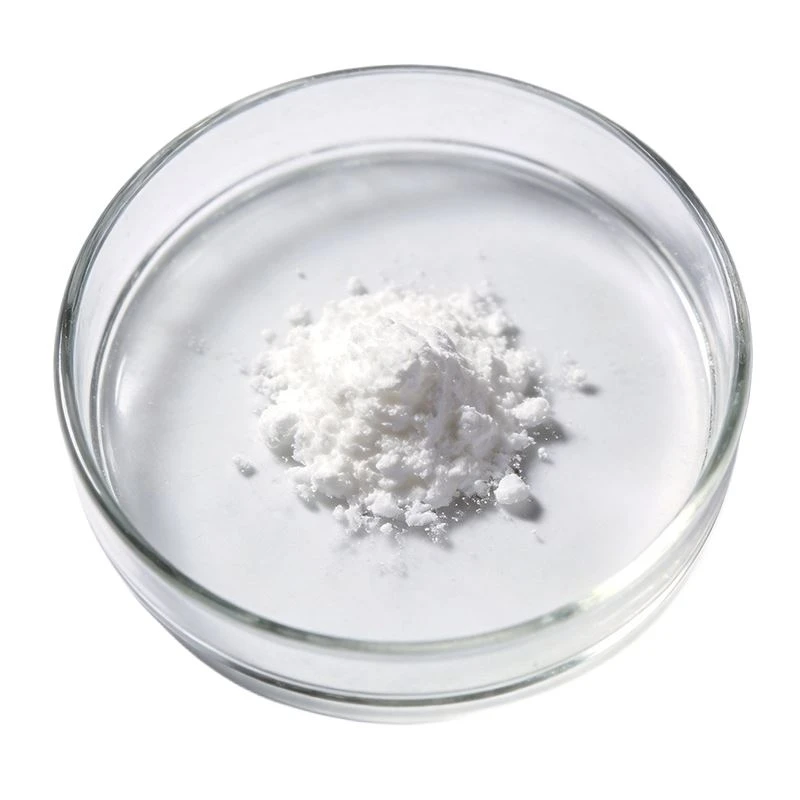
If you’re a grower, formulator, or agricultural business looking for a reliable mepiquat supplier, choosing a factory with automated production brings tangible benefits. Consistent product quality means better results for your crops, adherence to global safety standards ensures compliance with regulations, and efficient production means more reliable supply when you need it most. For those needing other agrochemical intermediates, we also offer a range of products tailored to modern farming, including Tetrachlorantraniliprole Intermediate and Triflumezopyrim Intermediate, all produced with the same automated, quality-focused processes that make our mepiquat a trusted name.
I know that for some in the industry, the shift to automation can feel overwhelming, but from my perspective, it’s been a game-changer for us. It’s let us scale production to meet growing global demand while maintaining the high quality that our customers expect, and it’s made our facility a safer place for our team. If you’re looking to source mepiquat or any of our other agrochemical products, I’d be happy to walk you through our automated production processes in more detail and discuss how we can support your specific needs.
References:
- Food and Agriculture Organization of the United Nations. (2021). Agrochemical Manufacturing Automation: Benefits for Smallholder and Commercial Agriculture. FAO Plant Production and Protection Paper.
- European Food Safety Authority. (2022). Regulatory Requirements for Agrochemical Production Processes and Quality Control. EFSA Journal.
- American Chemistry Council. (2023). Automation in Specialty Chemical Manufacturing: Safety, Efficiency, and Sustainability Impacts. ACC Technical Report.
- Cotton Growers Association of America. (2022). Best Practices for Mepiquat Chloride Sourcing and Application in Modern Cotton Farming. CGAA Industry Bulletin.
- International Union of Pure and Applied Chemistry. (2021). Quaternary Ammonium Compound Manufacturing: Process Optimization via Automated Control Systems. IUPAC Pure and Applied Chemistry.